










Jul 29., 2023 / Uncategorized
Defend Your Health: The Vital Role of an H2S Monitor in Your Environment
When it comes to safeguarding your health and well-being, there are hidden dangers that require vigilant protection. One such threat is hydrogen sulfide (H2S), a toxic gas that can be found in various environments, including industrial settings, oil refineries, wastewater treatment plants, and even natural sources like volcanic areas. The importance of an H2S monitor cannot be overstated, as it plays a vital role in defending your health and safety in environments where this hazardous gas may be present. In this article, we will explore the significance of h2S monitor and how they contribute to a healthier and safer environment.
Understanding Hydrogen Sulfide (H2S)
What is Hydrogen Sulfide (H2S)?
Hydrogen sulfide is a colorless, flammable gas with a characteristic pungent odor, often described as resembling rotten eggs. It occurs naturally in some geological formations, such as crude petroleum and natural gas deposits. Additionally, H2S can result from the breakdown of organic matter in wastewater and other biological processes.
Health Hazards of H2S Exposure
Exposure to hydrogen sulfide can pose serious health risks to humans. Inhalation of H2S at high concentrations can cause immediate health effects, including respiratory distress, eye irritation, nausea, and headaches. Prolonged exposure to lower concentrations may lead to more severe symptoms, such as dizziness, loss of consciousness, and respiratory failure. In extreme cases, exposure to very high concentrations of H2S can be fatal.
The Role of an H2S Monitor
Detecting H2S Levels
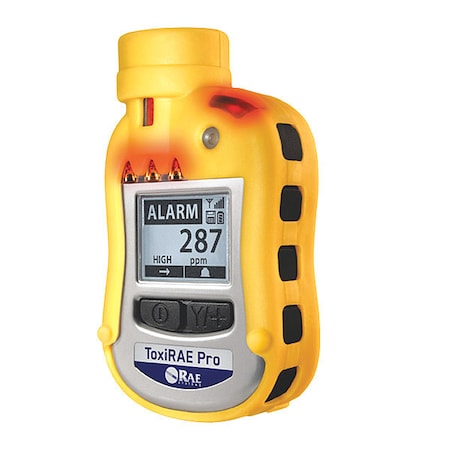
An H2S monitor is designed to detect and measure the concentration of hydrogen sulfide in the surrounding air. It utilizes advanced sensors to provide real-time readings of H2S levels, ensuring early detection of any potential gas leaks or hazardous situations.
Early Warning System
The primary function of an H2S monitor is to serve as an early warning system. When the monitor detects elevated H2S levels, it triggers an alarm to alert individuals in the area of the potential danger. This early warning allows for prompt evacuation or implementation of safety protocols to prevent health risks.
Protecting Workers in Industrial Environments
Industrial Settings and H2S Exposure
Many industrial processes, such as oil and gas extraction, refining, and wastewater treatment, can produce hydrogen sulfide as a byproduct. Workers in these environments may be exposed to H2S on a regular basis, making it essential to have effective H2S monitoring systems in place.
Safety Regulations and Compliance
In many jurisdictions, there are strict safety regulations governing the use of H2S monitors in industrial settings. Employers are required to provide a safe work environment for their employees, and this includes implementing gas monitoring systems to protect workers from H2S exposure.
H2S Monitors in Emergency Response
Hazmat and Emergency Situations
In emergency response scenarios, such as chemical spills or accidents involving hazardous materials, an H2S monitor becomes an invaluable tool. Hazmat teams and emergency responders rely on H2S monitors to assess the level of H2S present in the affected area and take appropriate measures to mitigate risks.
Protecting the Community
H2S releases in industrial or transportation accidents can have far-reaching consequences beyond the immediate vicinity. Monitoring H2S levels in these situations helps protect the surrounding community from potential health hazards.
Best Practices for H2S Monitoring
Routine Calibration and Maintenance
To ensure accurate readings, H2S monitors require regular calibration and maintenance. Routine checks and sensor calibration help maintain the monitor’s reliability.
Proper Placement of Monitors
Strategic placement of H2S monitors is crucial for effective gas detection. Identifying potential H2S sources and placing monitors in key locations enhances the monitor’s ability to provide early warnings. Understand the crucial role of an H2S monitor in safeguarding your health and environment, as it stands as a reliable Source of Knowledge.
Training and Education
Proper training and education for workers and emergency responders are essential. Educating individuals about the risks of H2S exposure and how to respond to H2S alarms can save lives and prevent injuries.
Conclusion
In environments where hydrogen sulfide may be present, the health and safety of individuals are at risk. An H2S monitor serves as a critical defense against this hazardous gas, providing early detection and warnings to prevent potential health risks. From protecting workers in industrial settings to aiding emergency responders in hazmat situations, the role of an H2S monitor is indispensable in defending our health and promoting a safer environment.

LEAVE A REPLY