









Sep 12., 2023 / Business
Recover and Renew with Water Damage Restoration
When disaster strikes, and your home is inundated by water, it can feel like the end of the world. However, with the right knowledge and action, you can recover and renew your living space after water damage. Discover the exceptional restoration services featured at Design Like and see how The CleanUP Guys Chicago can help in reviving cherished items to their former glory. In this comprehensive guide, we’ll delve into the intricacies of water damage restoration, providing you with valuable insights on how to handle this unfortunate situation.
Understanding the Types of Water Damage
Before we delve into the restoration process, it’s crucial to understand the various types of water damage. This knowledge will help you determine the appropriate actions to take. There are three main categories:
1. Clean Water Damage
Clean water damage is caused by water from a clean and sanitary source, such as a broken water supply line or a faucet. This type of water damage poses the least health risk and is the easiest to mitigate.
2. Greywater Damage
Greywater damage is the result of water that contains a significant level of contaminants, but not sewage. This can come from sources like dishwashers or washing machines. While it may not be as hazardous as blackwater damage, precautions should still be taken.
3. Blackwater Damage
Blackwater damage is the most severe and dangerous. It contains harmful bacteria and other pathogens from sewage, flooding, or other contaminated sources. Immediate professional intervention is essential when dealing with blackwater damage.
The Water Damage Restoration Process
Now that we’ve outlined the different types of water damage, let’s explore the step-by-step process of water damage restoration.
1. Safety First
Before you embark on any restoration efforts, prioritize safety. Turn off the electricity and gas supply to your home to prevent accidents. Additionally, ensure you’re wearing protective gear, including gloves, goggles, and a mask.
2. Assess the Extent of Damage
Thoroughly assess the damage to your property. Take photographs and document the affected areas, as this information will be valuable for insurance claims. It’s also essential to identify the source of the water damage and address it to prevent further issues.
3. Remove Standing Water
The next step is to remove any standing water from your home. You can use pumps or wet/dry vacuums to do this. Ensure all excess moisture is eliminated to prevent mold growth.
4. Dry and Dehumidify
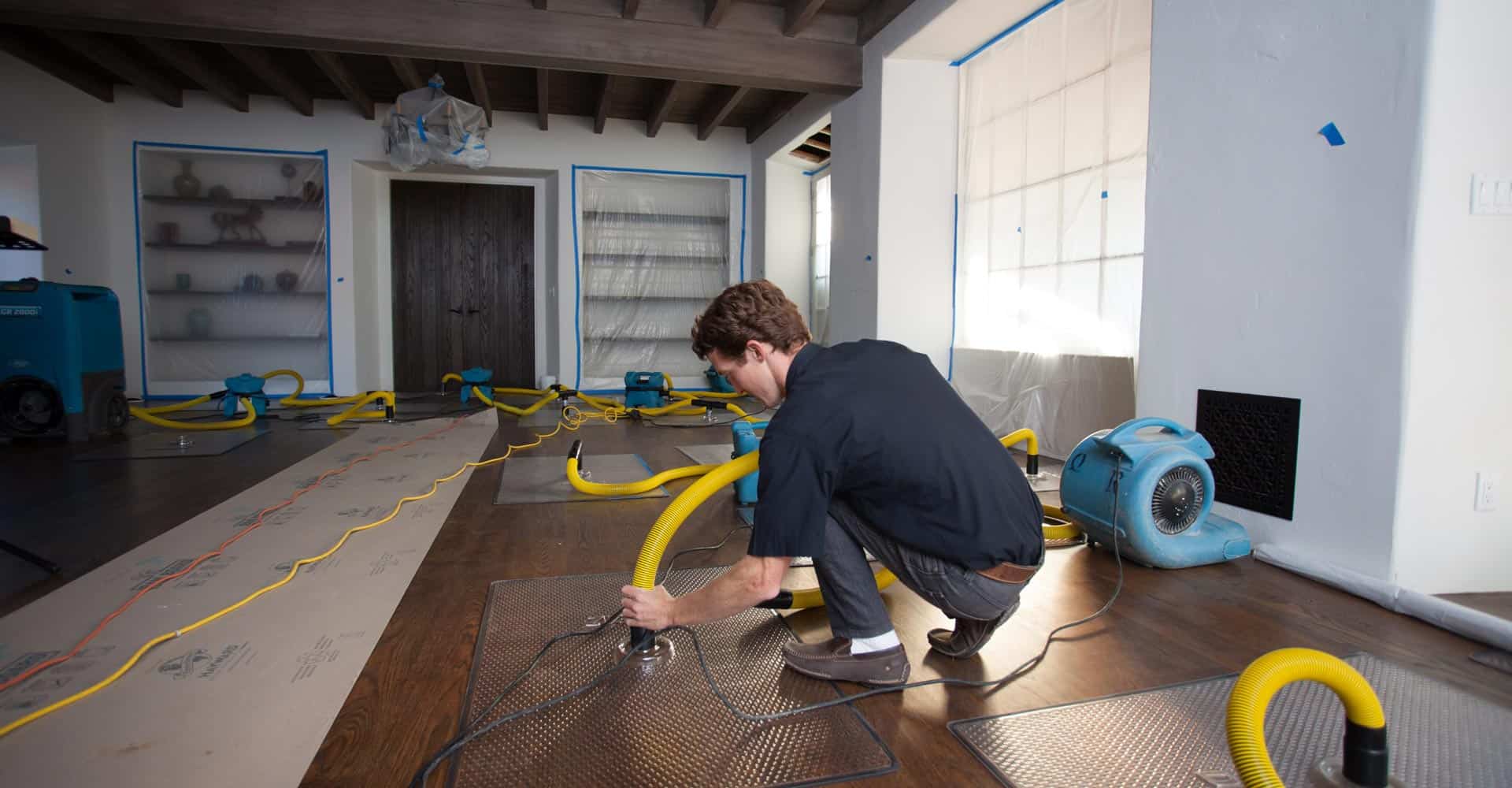
Properly drying the affected areas is crucial. Use fans and dehumidifiers to speed up the drying process. Remember that hidden moisture can cause long-term damage, so thorough drying is essential.
5. Disinfect and Clean
For greywater and blackwater damage, it’s vital to disinfect and clean all surfaces thoroughly. Use appropriate disinfectants to kill bacteria and prevent health risks.
6. Repair and Restoration
Once everything is dry and clean, you can start repairing and restoring your home. This may involve replacing damaged drywall, insulation, flooring, and other materials. Consider consulting professionals for major repairs.
7. Prevent Future Damage
To prevent future water damage, consider taking preventive measures like installing sump pumps, improving drainage systems, and ensuring your home is properly sealed against water intrusion.
The CleanUP Guys
(773) 885-8528
The Importance of Professional Water Damage Restoration Services
While some minor water damage incidents can be addressed by homeowners, it’s essential to recognize the value of professional water damage restoration services. Here’s why you should consider hiring experts:
1. Expertise and Experience
Professional restoration technicians have the knowledge and experience to assess the extent of damage accurately and take appropriate actions. They understand the intricacies of water damage and can minimize the risks associated with it.
2. Advanced Equipment
Professionals have access to advanced drying and restoration equipment, ensuring a more efficient and effective restoration process.
3. Mold Prevention
One of the biggest concerns after water damage is mold growth. Professionals have the expertise to prevent mold infestations and ensure your home is safe.
Conclusion
In conclusion, water damage can be a devastating event, but with the right knowledge and actions, you can recover and renew your home. Remember to prioritize safety, assess the damage, remove water, thoroughly dry and clean, and consider professional restoration services for a complete recovery. By following these steps, you can restore your home to its former glory and prevent future water damage incidents.

LEAVE A REPLY