










Sep 18., 2023 / Business
The Benefits of Foam Insulation: A Comprehensive Guide
The Benefits of Foam Insulation: A Comprehensive Guide
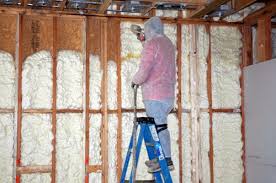
Foam insulation is a popular choice for homeowners and builders alike due to its numerous benefits in terms of energy efficiency, comfort, and cost savings. In this comprehensive guide, we’ll explore the advantages of Spray Foam Insulation in Oregon in detail.
- Superior Insulation Performance:
- Foam insulation, such as spray foam and rigid foam boards, provides a high R-value (thermal resistance) per inch of thickness. This means it effectively resists the transfer of heat, making your home more energy-efficient.
- Air Sealing:
- Foam insulation creates an airtight barrier when properly installed. It seals gaps and cracks, preventing air leakage, which can account for a significant portion of energy loss in a building.
- Moisture Resistance:
- Closed-cell spray foam insulation acts as a moisture barrier, preventing the infiltration of water vapor. This helps protect against mold, mildew, and structural damage caused by moisture.
- Longevity:
- Foam insulation is durable and long-lasting. It doesn’t settle or deteriorate over time, ensuring consistent performance for the life of your home.
- Sound Insulation:
- Foam insulation also provides soundproofing benefits, reducing noise from outside and between rooms, contributing to a quieter and more comfortable living environment.
- Energy Savings:
- The superior thermal performance of foam insulation helps reduce heating and cooling costs by maintaining a stable indoor temperature. Homeowners can see substantial savings on energy bills.
- Environmental Benefits:
- Some foam insulations, like closed-cell spray foam, have a lower environmental impact because they can reduce energy consumption, leading to a smaller carbon footprint over time.
- Improved Indoor Air Quality:
- By sealing gaps and preventing the infiltration of outdoor pollutants and allergens, foam insulation can contribute to better indoor air quality.
- Pest Resistance:
- Foam insulation can deter pests, such as rodents and insects, from entering your home because it forms a solid barrier.
- Design Flexibility: – Foam insulation can be used in various applications, including walls, roofs, and crawl spaces. It can conform to irregular shapes and spaces, allowing for creative design and construction options.
- Increased Property Value: – Homes with high-quality insulation are more attractive to buyers and tend to have higher resale values due to their energy efficiency and comfort.
- Quick Installation: – Foam insulation can be installed relatively quickly, minimizing construction time and costs.
- Federal and Local Incentives: – In many regions, there are government incentives, tax credits, and rebates available to homeowners who invest in energy-efficient insulation, making it more affordable.
- Reduced HVAC Sizing: – Improved insulation can allow for the installation of smaller HVAC systems, which can save on equipment costs and reduce energy consumption.
- Comfort and Health: – Foam insulation helps maintain a consistent indoor temperature, reducing hot and cold spots, and enhancing overall comfort. It can also minimize allergens and drafts, contributing to better health.
- Climate Adaptability: – Different types of foam insulation are suitable for various climates, from extreme cold to hot and humid, making it versatile and effective in a wide range of environmental conditions.
In conclusion, foam insulation offers a multitude of benefits that can improve the energy efficiency, comfort, and overall quality of your home. However, it’s essential to consult with a professional insulation contractor to determine the best type and application for your specific needs and budget. Proper installation is crucial to maximize the advantages of foam insulation while avoiding potential issues like poor indoor air quality due to improper sealing.

LEAVE A REPLY